“Me do it!” is a phrase you will hear often from your preschooler. As children grow, they want to take on more on their own, from getting dressed to washing their own face. Here are the self-help milestones you can expect at each age.
2 Years Old
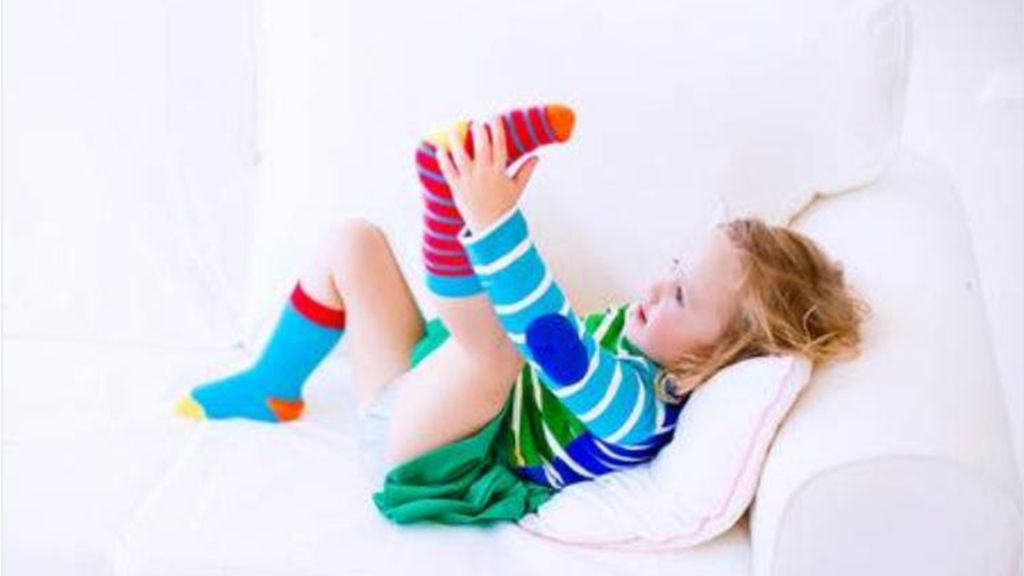
- Removes shoes independently
- Pulls pants down with assistance
- Undresses with assistance
- Begins to use a spoon and fork
3 Years Old
- Unbuttons large buttons
- Puts on a t-shirt
- Washes and dries hands
- Eats with a fork, with some spilling
- Helps with simple household tasks
4 Years Old
- Puts clothing on with the correct front and back position
- Zips up jackets
- Uses a towel to dry off after washing
- Brushes teeth using horizontal and vertical motion
5 Years Old
- Opens all fasteners
- Spreads with a knife
- Washes face
- Begins to tie shoes with demonstration
- Blows nose independently
Tips to Promote Development
Allow time to practice. A rushed school morning is not the best time to practice dressing. Build practice into more relaxed parts of the day, like putting on pajamas before bed. The same goes for spoon and fork practice during meals: easier when there is no time pressure.
I do, then you do. Sometimes we forget to show our child what we mean rather than just explaining it. Demonstrate grooming and hygiene skills like brushing teeth or combing hair on yourself first, then have your child practice on themselves. This also helps avoid the “I do it myself!” pushback because you are still giving your child opportunities for independence.
Try backwards chaining. This is a favorite OT technique for dressing skills. Start by having your child complete just the very last step of a task, like pulling their shirt down once it is most of the way on. Once that step feels easy, add the second-to-last step, and so on. This builds a sense of accomplishment without overwhelming your child with the whole sequence at once.
Make it playful. If your child is stuck on a particular skill, sneak practice into play. Buttons can come up while dressing a favorite stuffed animal. Costumes are great for putting on clothes in a fun way. Cutting playdough with a plastic fork and knife builds the same skills as cutting food. The possibilities are endless.
Every child grows into independence at their own pace, and these milestones are guidelines rather than benchmarks. If you have concerns about your child’s self-help skills, or want some support working on them at home, our occupational therapy team would love to help.